Latviešu
  English
  Русский
Exploring the Future of Culinary Arts in Spain
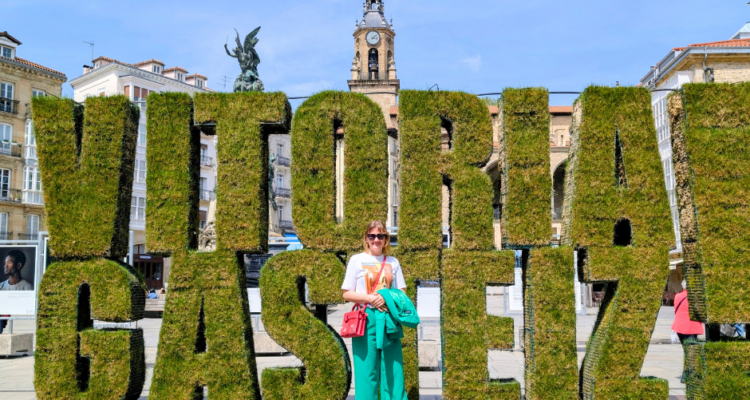
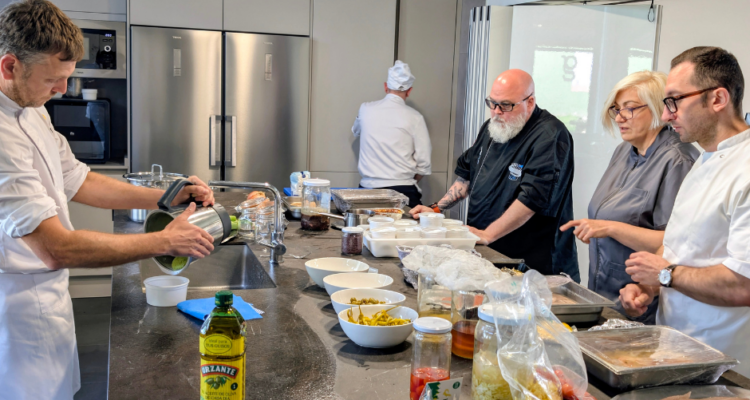
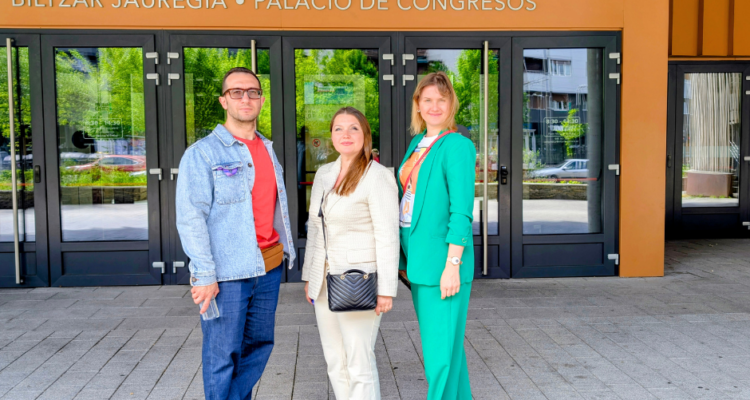
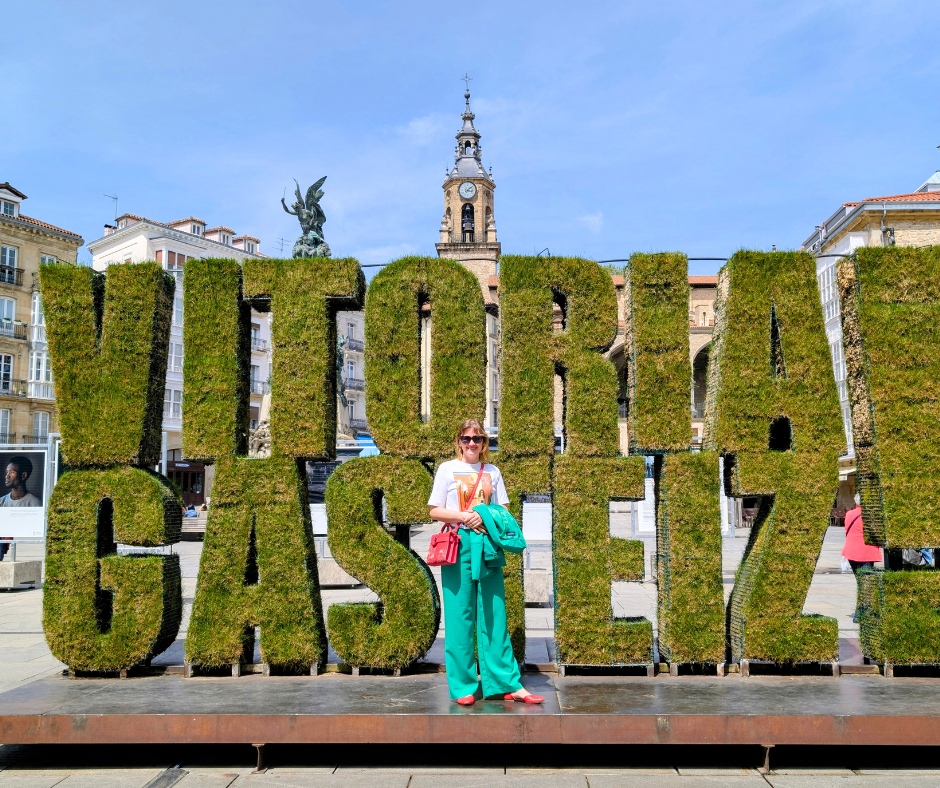
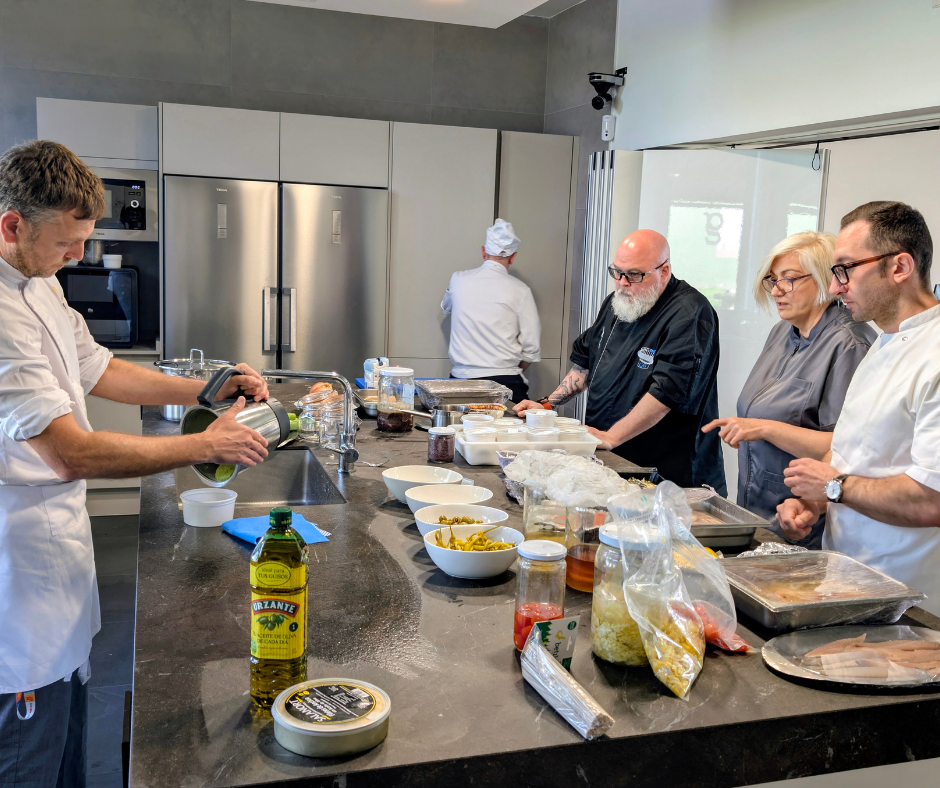
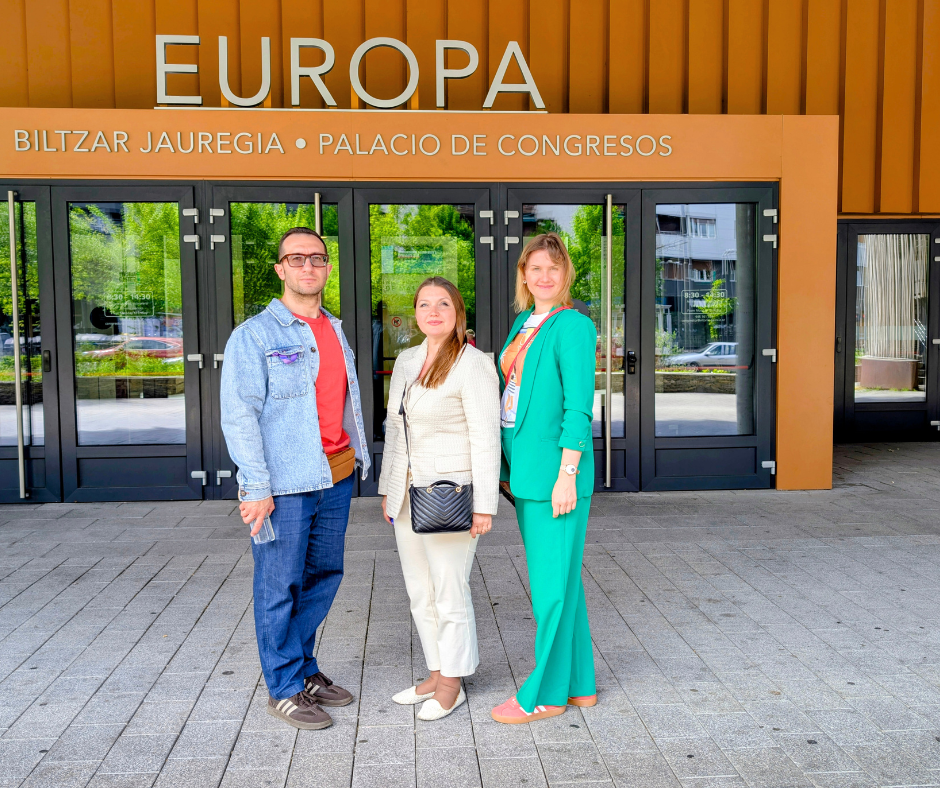
Last month, our researcher and webpage administrator, I. Pasnaka-Irkle, participated in an incredible series of educational activities in Vitoria-Gasteiz, Spain, hosted by El CIFP Hostelería LHII (Escuela de Hostelería de Gamarra). The programme was packed with innovative workshops and events focused on the future of culinary arts and higher education.
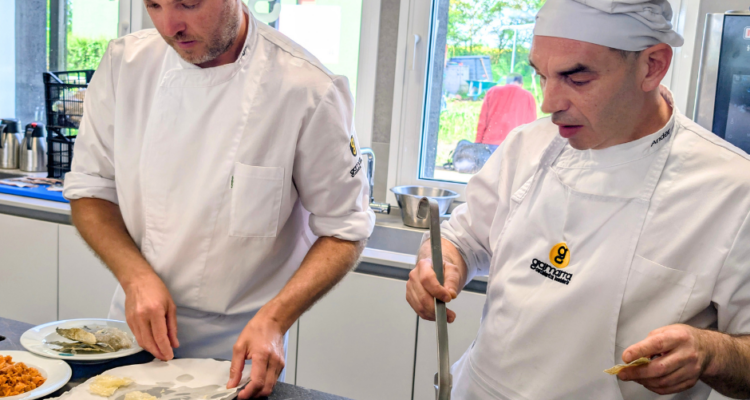
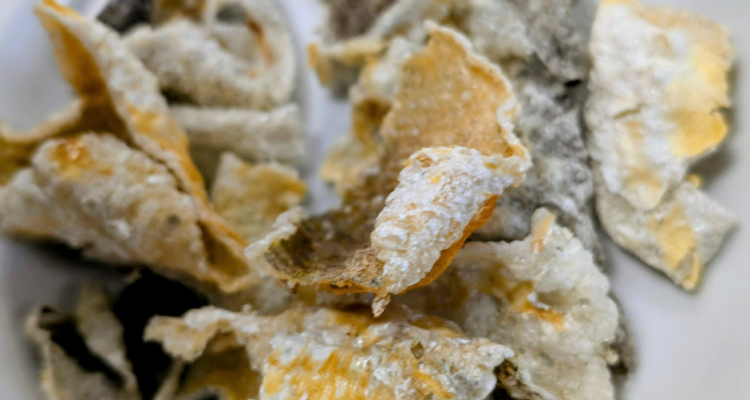
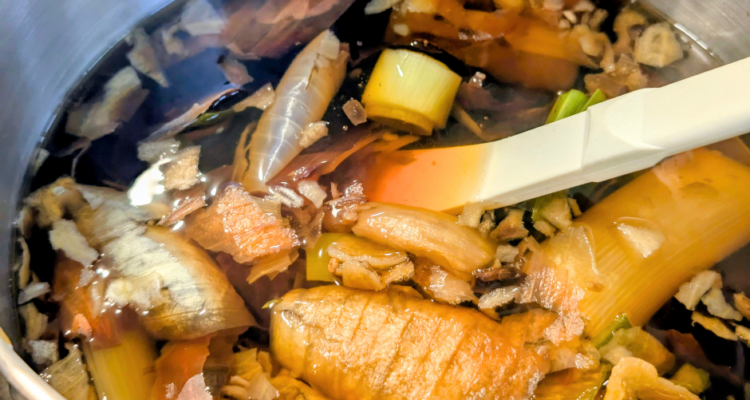
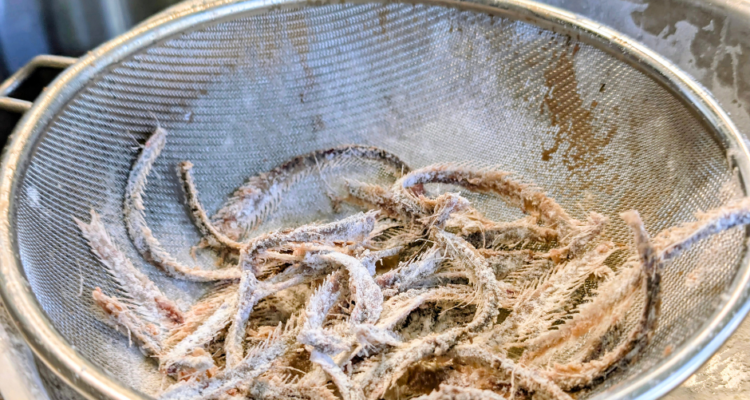
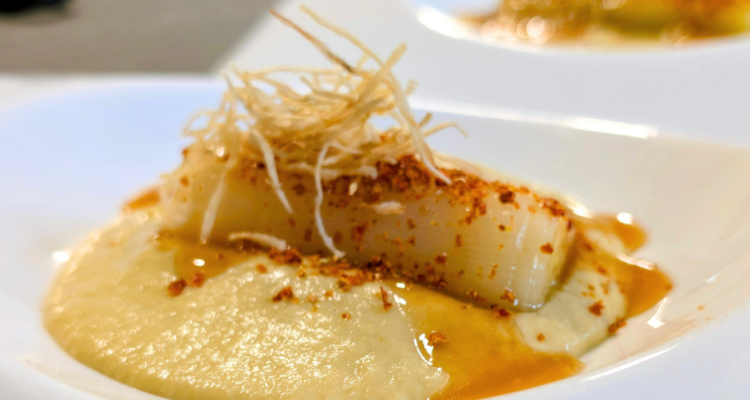
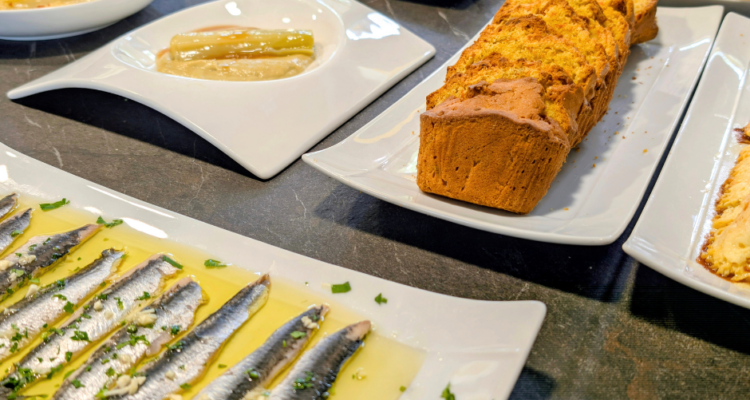
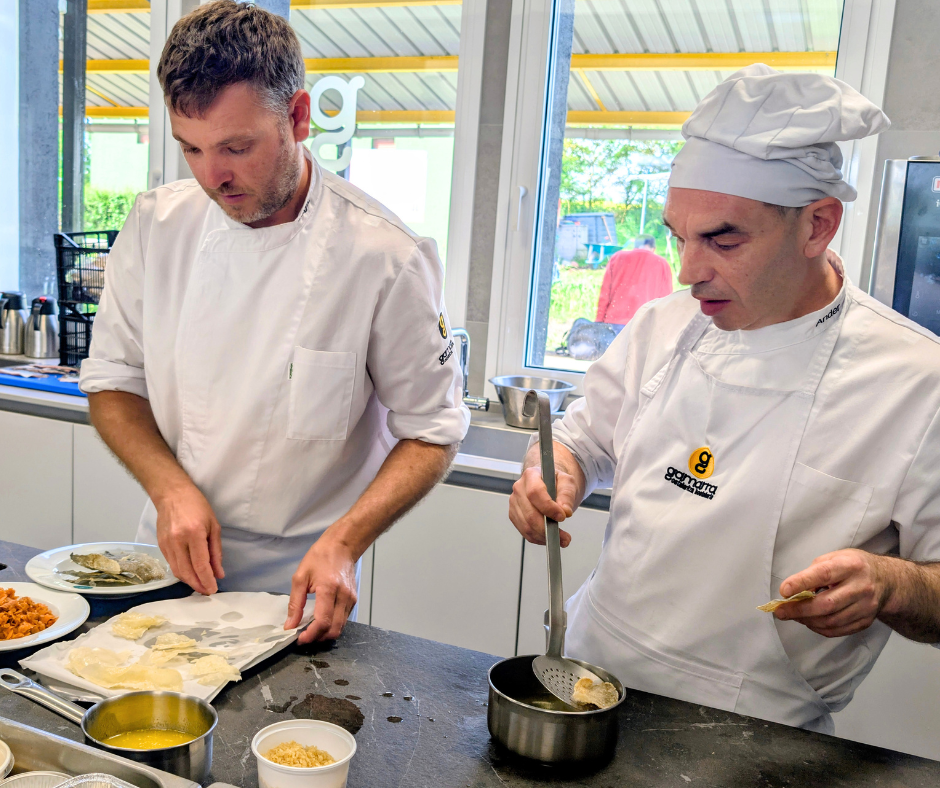
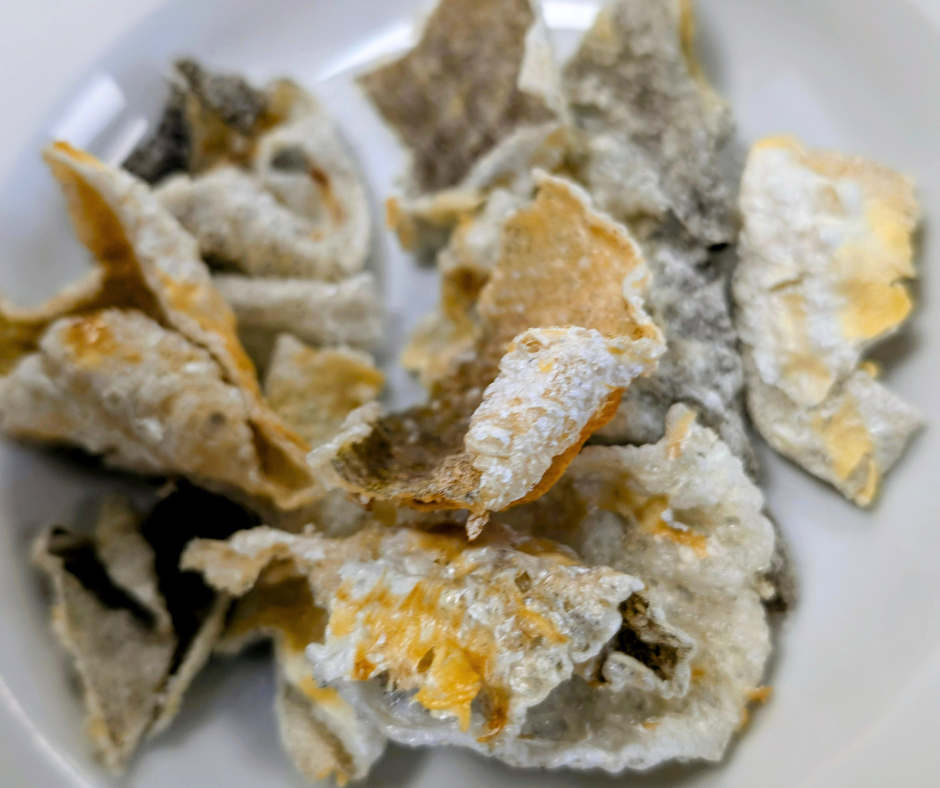
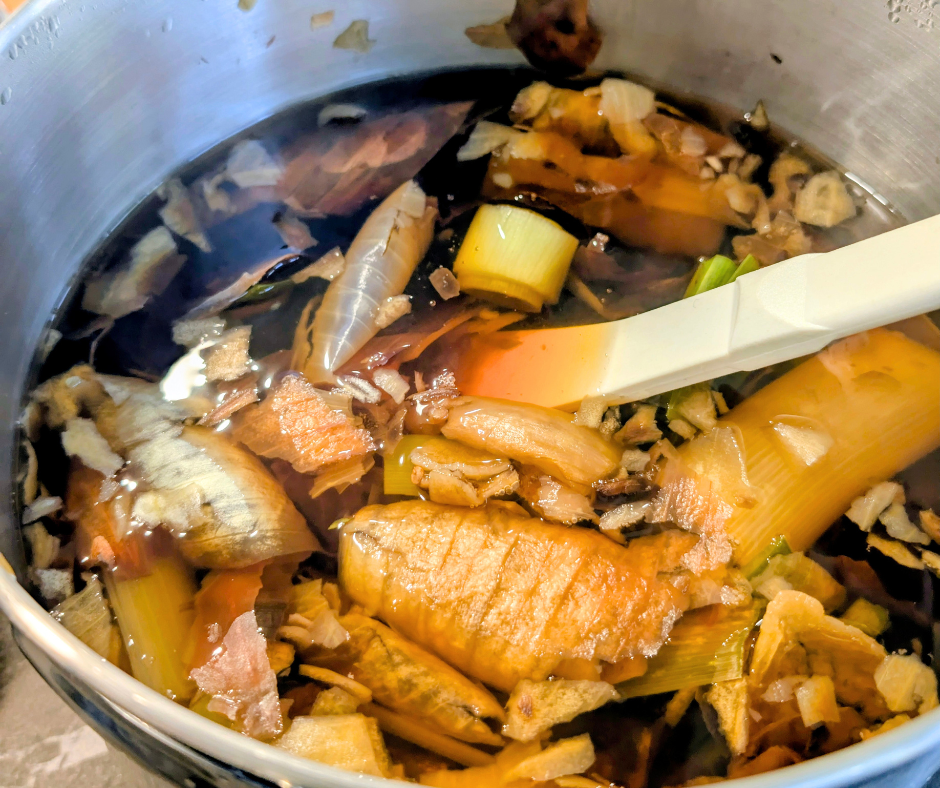
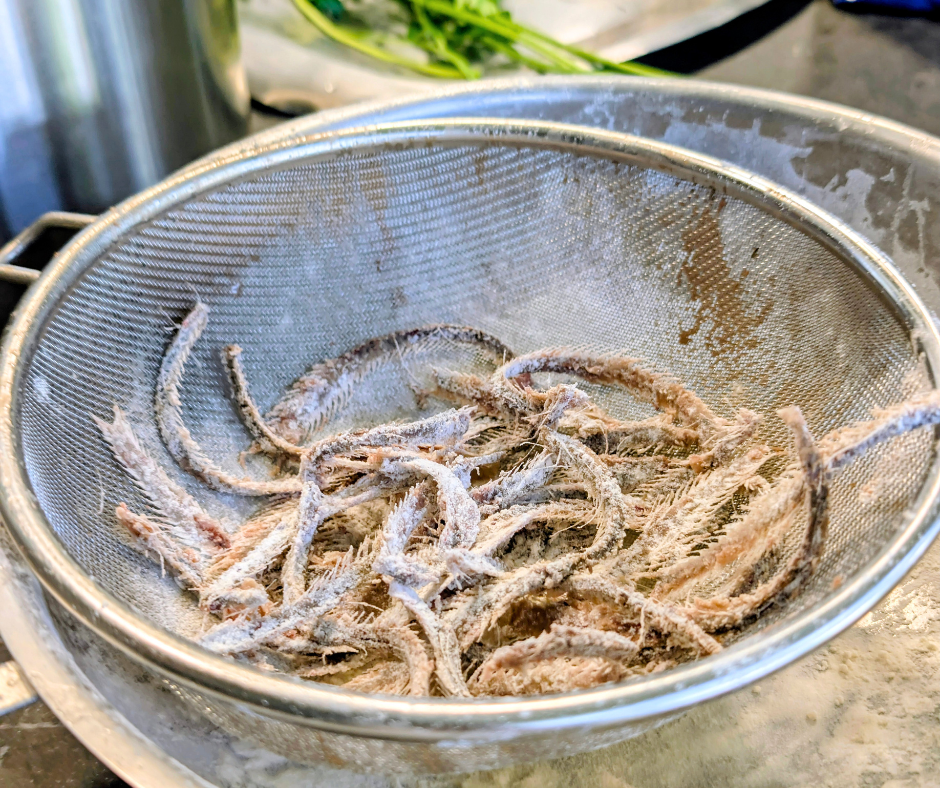
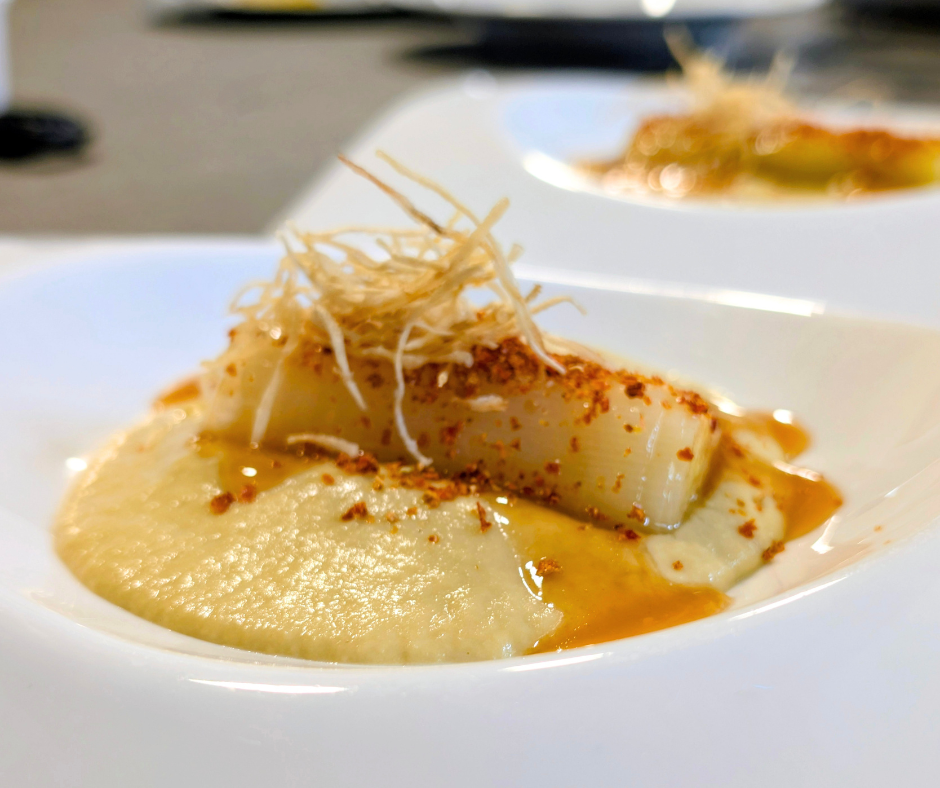
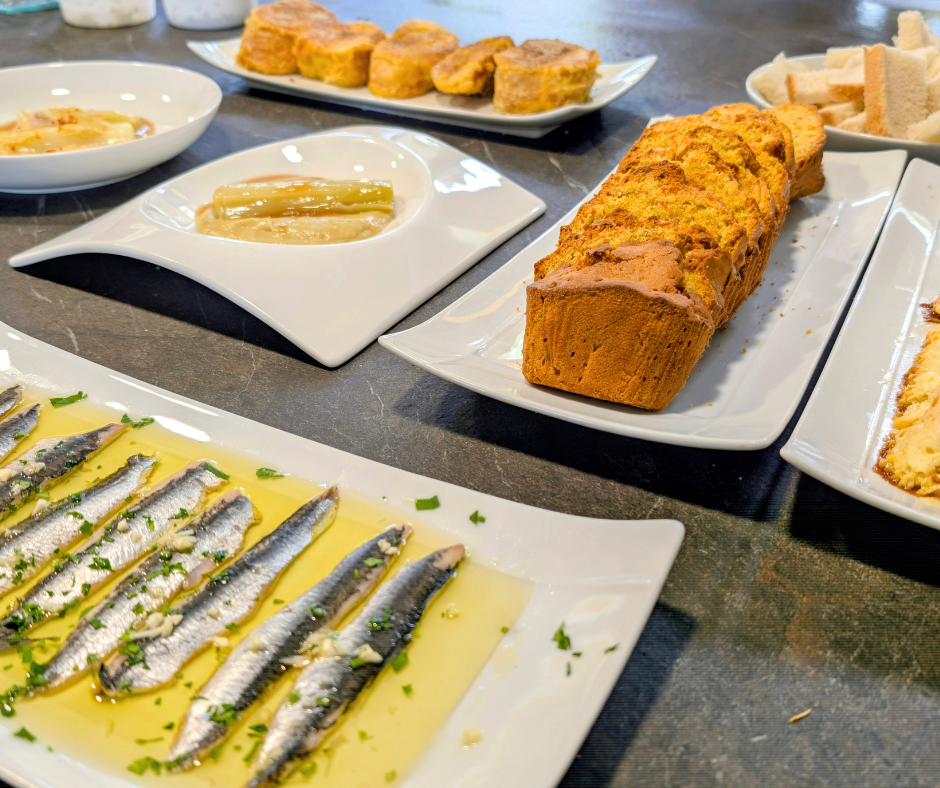
A major highlight of the trip was the focus on sustainability and zero-waste cooking. During the “Sustainable Gastronomy” training session, participants explored the essential recipes of zero-waste cooking, the impact of the circular economy in modern gastronomy, and practical, real-world applications. This was followed by the “Trash Food” session, which broke down fundamental techniques to utilize every single part of an ingredient—starting from the roots and ending with the leaves!
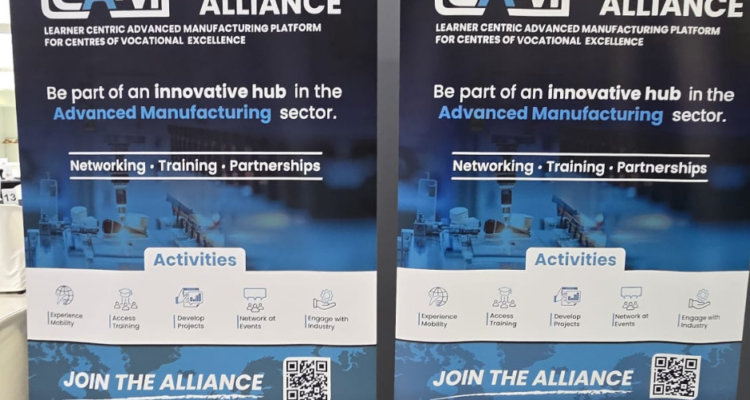
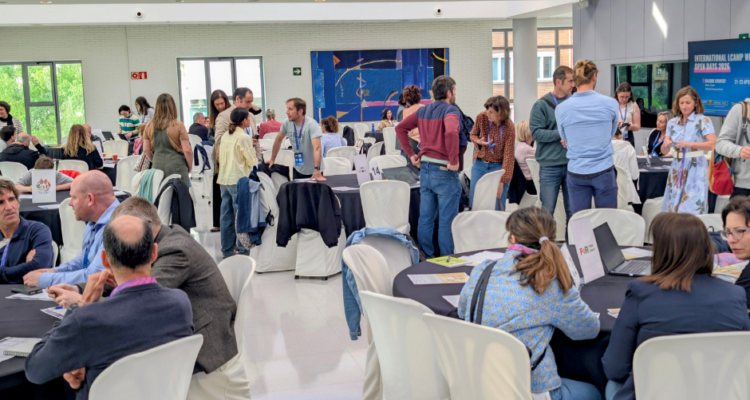
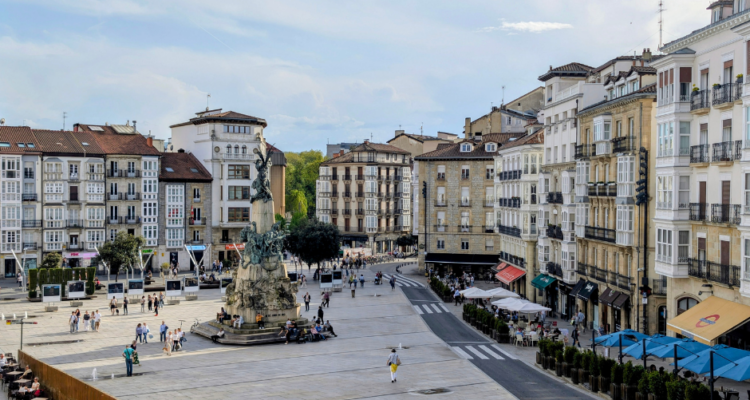
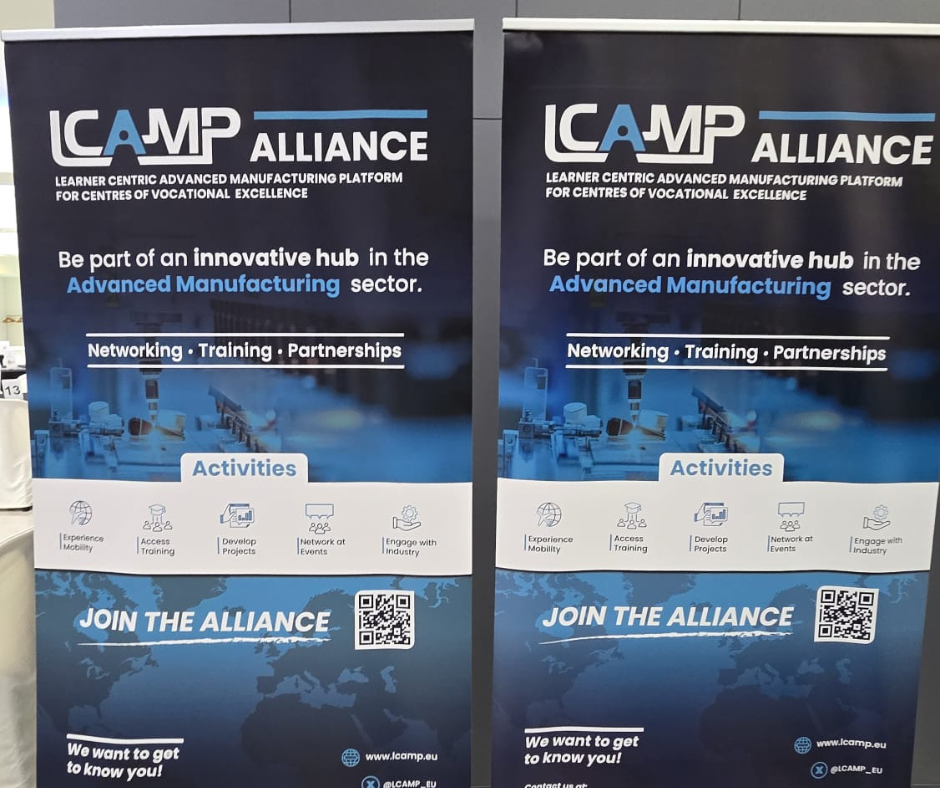
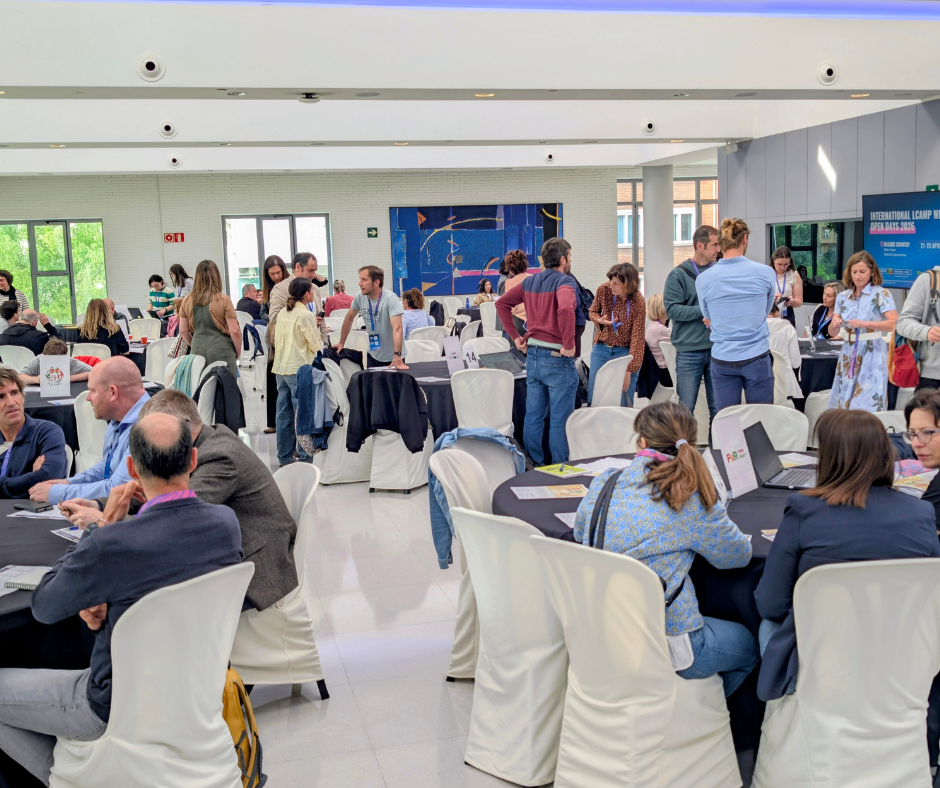
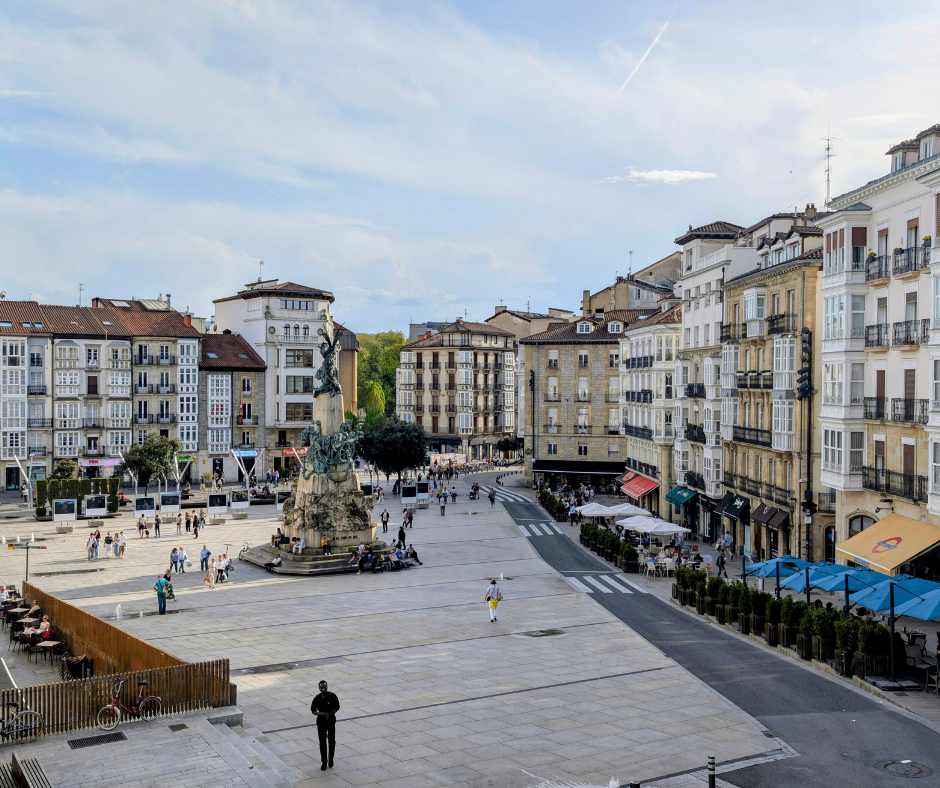
The itinerary also featured the Erasmus+ Project Multiplier Event & LCAMP. This event showcased over 30 innovative European projects related to the Erasmus+ KA220 and KA210 programmes and culminated in the prestigious LCAMP Student Hub Skill Competition Award Ceremony. The valuable professional journey was beautifully rounded out with a cultural immersion experience, featuring a guided tour through the historic streets of Vitoria-Gasteiz.
Why are international experiences like this so vital for hospitality college professionals? Staying at the forefront of global culinary trends—especially regarding sustainability and circular economy practices—is crucial for modern hospitality education. By connecting with international partners and exploring successful Erasmus+ initiatives, we continuously elevate our curriculum, ensuring our students are equipped with the cutting-edge skills needed to lead the future of the hospitality industry!
We are excited to integrate these sustainable practices and insights into our upcoming projects!
This staff mobility for training was organized in the framework of the project 2024-1-LV01-KA131-HED-000206666, co-funded by the European Union.
Funded by the European Union. However, the views and opinions expressed are solely those of the author(s) and do not necessarily reflect the views and opinions of the European Union or the State Education Development Agency. Neither the European Union nor the State Education Development Agency can be held responsible for them.

Recent Posts
-
-

Welcome to the New Academic Year!
01.09.2026 -